Cultivating Vibrant Hydrangeas with Confidence
Posted on 14/06/2025
Cultivating Vibrant Hydrangeas with Confidence: A Comprehensive Guide
Hydrangeas are beloved for their gorgeous, show-stopping blooms and lush foliage. Whether you're a seasoned gardener or a newcomer, learning how to cultivate vibrant hydrangeas will reward you with captivating blooms from early summer through fall. This in-depth guide will take you through everything you need to know to grow hydrangeas with confidence, from choosing the right varieties to mastering care and troubleshooting. Let's unlock the secrets to bountiful and healthy hydrangea plants in your garden.
Why Choose Hydrangeas for Your Garden?
Cultivating hydrangeas brings trending beauty and versatile charm to any landscape. Here's what makes hydrangeas a perennial favorite:
- Stunning Blooms: Hydrangeas offer large, colorful flower heads in shades of blue, pink, purple, and white.
- Long Blooming Season: They flower from spring to autumn, providing continuous interest.
- Variety of Shapes & Sizes: With options from compact shrubs to sprawling climbers, hydrangeas suit all garden designs.
- Low Maintenance: When established, hydrangeas require minimal special care.
- Wildlife Benefits: Their nectar-rich blooms attract pollinators like bees and butterflies.
Understanding Hydrangea Types
Before you start planting, it's essential to recognize the best hydrangea species and cultivars for your needs. This helps you nurture vibrant hydrangea flowers that thrive in your climate and soil. The most popular types of hydrangeas include:
- Bigleaf Hydrangea (Hydrangea macrophylla): Renowned for mophead and lacecap flower forms, these are the classic pink or blue hydrangeas.
- Panicle Hydrangea (Hydrangea paniculata): Known for large cone-shaped blooms that transition from white to pink as they mature.
- Smooth Hydrangea (Hydrangea arborescens): Includes 'Annabelle' with its spectacular globes of white or greenish flowers.
- Oakleaf Hydrangea (Hydrangea quercifolia): Features striking foliage and elongated white flower clusters, often with reddish fall color.
- Climbing Hydrangea (Hydrangea anomala petiolaris): A woody vine perfect for walls and trellises, with delicate white lacecap blooms.
_Choose cultivars that suit your climatic zone and visual preferences for the best chance at a vibrant hydrangea display._
Planting Hydrangeas with Confidence
Optimal Location & Soil
Achieving healthy and vibrant hydrangeas begins before you even put a plant in the ground. Hydrangeas need:
- Plenty of morning sunshine with protection from harsh midday heat
- Rich, porous, well-draining soil with lots of organic matter
- Space for air circulation to prevent mildew and fungal issues
When cultivating hydrangeas, avoid deep shade or extremely hot, dry locations. Most varieties thrive in spots with morning light and afternoon dappled shade.
How to Plant Hydrangeas
- Dig a generous hole that's twice as wide and just as deep as the root ball.
- Amend the soil with compost or well-rotted manure to enrich it and improve drainage.
- Plant the hydrangea at the same depth it was in the nursery pot.
- Backfill and water thoroughly to settle roots and eliminate air pockets.
- Mulch around the base with 2-3 inches of organic mulch to keep roots cool and moist.
_Early spring or fall is the best time for planting hydrangeas, ensuring less transplant shock and better establishment._
Secrets to Cultivating Lush, Colorful Hydrangeas
The Role of Watering
Hydrangeas need plenty of moisture, especially when getting established and during summer heatwaves. Here are expert watering tips:
- Water deeply but infrequently. Give the soil a thorough soak at the base to encourage deep roots.
- Hydrate in the morning to prevent fungal diseases.
- Mulch generously to conserve soil moisture and moderate temperature extremes.
Fertilizing for Vibrant Hydrangea Blooms
Feeding your hydrangeas encourages robust growth and vivid flowers. For healthy, colorful hydrangeas:
- Apply a balanced, slow-release fertilizer in late winter or early spring.
- Supplement with compost or organic feed during the growing season if soil is poor.
- Avoid excessive nitrogen which can produce lovely leaves but fewer flowers.
- Follow package instructions -- over-fertilizing can burn roots and stunt blooms.
Hydrangea Color Control: The Science of Soil pH
One of the most fascinating aspects of cultivating hydrangeas is the ability to alter bloom color. The color of bigleaf hydrangeas (Hydrangea macrophylla) can be manipulated by adjusting your soil's pH:
- Acidic soil (pH below 6): Produces blue flowers.
- Alkaline soil (pH above 6.5): Yields pink to lavender blooms.
- Neutral pH: May result in a palette from purple to faded pink or blue.
_To change color: Add aluminum sulfate for blue blooms or garden lime for pink blooms--but always test your soil first!_
Pruning Hydrangeas for Peak Performance
Proper pruning ensures your hydrangeas stay vibrant, healthy, and covered in blooms. Pruning schedules depend on hydrangea species:
When & How to Prune
- Bigleaf, Oakleaf, and Climbing Hydrangeas: Prune immediately after flowering (midsummer), as they bloom on old wood (last year's growth).
- Panicle and Smooth Hydrangeas: Prune in late winter or very early spring, as they bloom on new wood (current year's growth).
When pruning, use clean, sharp shears and remove:
- Dead or crossing branches
- Spent flower heads (deadheading encourages reblooming)
- Up to one-third of the oldest stems to rejuvenate the plant
Pruning mistakes can reduce flowers for a season, so familiarize yourself with your hydrangea's growth habits for confident care.
Protecting Hydrangeas from Pests & Problems
With a little preventive action, you can keep your hydrangeas healthy and strong. Here are common challenges faced when cultivating vibrant hydrangeas:
Common Pests
- Aphids: Tiny sap-sucking insects, often found on undersides of leaves.
- Spider Mites: Cause leaf stippling and webbing in dry, hot weather.
- Slugs & Snails: Chew holes in leaves, especially seedlings.
Control pests by hand-picking, using insecticidal soap, or encouraging beneficial insects (_like ladybugs_) to manage populations naturally.
Disease Defense
- Powdery mildew and leaf spot: Prevent by ensuring good air flow and watering at soil level, not on leaves.
- Root rot: Avoid by planting in well-draining soil and never overwatering.
Remove and destroy infected plant material immediately to reduce spread.
Year-Round Hydrangea Care Calendar
Cultivating hydrangeas confidently means knowing what each season requires. Follow this simple schedule for vibrant hydrangea plants all year:
- Spring: Fertilize, check soil pH, and start weekly watering. Mulch beds and prune panicle and smooth types.
- Summer: Water regularly, deadhead spent blooms, monitor for pests/disease.
- Fall: Allow flowers to dry for winter interest, reduce watering as plants go dormant. Test soil pH to prep for next spring.
- Winter: Protect roots with extra mulch in colder zones. Avoid pruning until your recommended time.
Frequently Asked Questions About Growing Hydrangeas
1. Why won't my hydrangeas bloom?
Common causes include improper pruning, harsh winter damage, excess nitrogen, or not enough sunlight. Ensure you prune at the right time for your hydrangea type and provide at least 4 hours of morning sun.
2. How can I make my hydrangea blooms bigger?
Focus on feeding your plant with a phosphorus-rich fertilizer and ensuring regular deep watering. Prune out the oldest stems for improved vigor.
3. Are hydrangeas suitable for container gardening?
Absolutely! Dwarf varieties of bigleaf and panicle hydrangeas thrive in containers. Use well-draining potting mix, a large pot, and diligent watering.
4. Can I grow hydrangeas in full shade?
While hydrangeas are shade tolerant, deep full shade will diminish flowering. Dappled or morning sunlight is essential for vibrant blooms.
Creative Design Ideas for Your Hydrangeas
Once you've mastered the basics of vibrant hydrangea cultivation, experiment with these inspiring ideas:
- Mass Plantings: Create dramatic, cloud-like beds of a single hydrangea type for bold color blocks.
- Mixed Borders: Pair hydrangeas with ferns, hostas, and shade perennials for multi-season texture.
- Container Displays: Combine compact hydrangea varieties with trailing annuals for patio color.
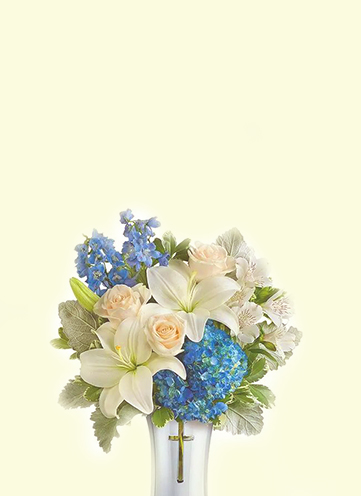
- Cut Flower Arrangements: Hydrangeas make long-lasting, eye-catching bouquets indoors.
_By varying hydrangea species, bloom colors, and companion plants, you'll have a garden that's vibrant, unique, and full of life._
Conclusion: Grow Hydrangeas with Confidence and Joy
Cultivating vibrant hydrangeas is within reach for any gardener who learns their needs and seasonal rhythms. With the right planting site, regular care, and a little experimentation, you'll enjoy stunning blooms and lush foliage year after year. Remember to choose varieties suited to your region, pay attention to soil pH for color-changing fun, and don't fear a little pruning--your hydrangeas will reward you with their spectacular presence every summer.
Get started today and transform your yard into a hydrangea paradise. Whether you're cultivating hydrangeas in garden beds or eye-catching containers, confidence and care will lead to breathtaking results. Start small, observe, and enjoy the unique beauty that only a vibrant hydrangea garden can provide!