Tulip Enigmas Exposed: 7 Intriguing Facts You Didn't Know
Posted on 06/06/2025
Tulip Enigmas Exposed: 7 Intriguing Facts You Didn't Know
Tulips are among the most beloved spring flowers across the globe, gracing gardens and bouquets with their vivid colors and graceful shapes. But behind their beauty lies a world of mystery and fascinating history. If you thought tulips were just pretty blooms, think again! In this comprehensive guide, Tulip Enigmas Exposed, we'll delve deep into seven surprising tulip facts that will blossom your knowledge and appreciation for these enchanting flowers.
Tulip Origins: Far From Dutch Beginnings
When most people picture fields of tulips, they envision the sprawling, colorful landscapes of the Netherlands. While the Dutch are undoubtedly the world's leading tulip growers, the origin of tulips is far from Dutch. The first tulips actually emerged on the rugged hillsides of Central Asia, particularly within present-day Kazakhstan, Uzbekistan, and areas surrounding the Tien Shan mountains.
The Road to Europe
Tulips were cultivated by the Ottomans as early as the 10th century. Their journey westward began with Ottoman diplomats gifting tulip bulbs to European aristocrats during the 16th century. The flower's dramatic leap to fame came when Carolus Clusius, a noted botanist, established the first major tulip garden in the Netherlands in 1593.
- Tulip species number over 75, with countless hybrid variations.
- The word "tulip" is believed to have derived from the Persian word for turban, referencing its unique bloom shape.
- Tulips became symbols of wealth and status soon after their introduction to Europe.
Tulip Mania: The First Economic Bubble
One of the most intriguing chapters in the history of tulips is 'Tulip Mania'--the world's first recorded economic bubble. In the mid-17th century, the Dutch fell so head-over-heels for tulips that bulb prices skyrocketed, with rare varieties fetching astonishing sums.
From Modest Bulb to Luxury Commodity
At the height of tulip mania, a single bulb of the Semper Augustus variety could cost as much as a luxury house along Amsterdam's canals! This frenzy led to a speculative trading market, with even ordinary citizens investing in tulip bulbs hoping to strike it rich.
- The bust in February 1637 devastated traders, causing financial ruin for many.
- Tulip Mania remains a cautionary tale about speculative investment.
*Did you know?* Despite the economic chaos, the Dutch love for tulips endured and established the Netherlands as a worldwide tulip capital.
Unusual Tulip Colors and Patterns
If you think tulips only come in basic reds, yellows, or whites, think again. Unusual tulip varieties boast an assortment of dazzling colors and patterns, each more enchanting than the last.
Stripes, Flames, and Mystery Viruses
Those striking striped or 'flamed' tulips popular during the Tulip Mania era were originally the result of a viral infection known as the "Tulip Breaking Virus." While these patterns made certain bulbs incredibly valuable, they also weakened the plant.
- Modern "broken" tulip varieties are bred for stability and color patterns without viral infections.
- From deep purples ("Queen of Night") to the rare blue tulip (which is actually a lavender or violet), tulip lovers enjoy an endless array of choices.
- Some unique hybrids sport fringed, parrot, or doubled petals--collectors' favorites.
Fun fact: Despite years of breeding, a true blue tulip does not exist naturally. Breeders continue the quest for that elusive, pure blue hue!
The Secret Language of Tulips
Flowers have always carried hidden meanings in human culture, and tulips are no exception. The symbolism behind tulips varies by color, culture, and occasion.
What Do Tulip Colors Mean?
- Red tulips symbolize deep love and passion.
- Yellow tulips convey cheerful thoughts and hope, though historically associated with unrequited love.
- White tulips are linked to forgiveness and remembrance.
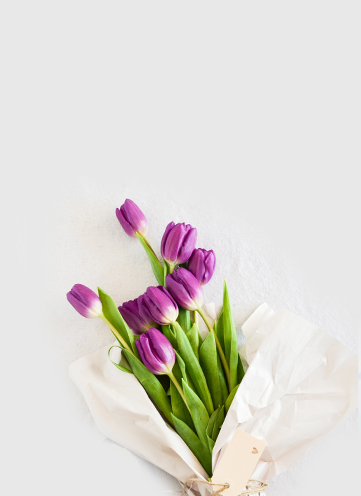
- Purple tulips signify royalty and elegance.
- Pink tulips represent affection and good wishes.
Gifting tulips can be a subtle way to express feelings--making them especially popular for romantic occasions and springtime weddings.
Incredible Tulip Festivals Around the World
If you're passionate about tulip flowers, there's nothing quite like wandering through acres of blooming bulbs. Tulip festivals draw millions of visitors annually, celebrating the majestic beauty and cultural heritage of these flowers.
Where to Witness Tulip Spectacles
- Keukenhof Gardens in Lisse, Netherlands: The world's most legendary tulip showcase with over 7 million bulbs planted annually.
- Skagit Valley Tulip Festival in Washington State, USA: Vibrant fields and family-friendly events each April.
- Canadian Tulip Festival in Ottawa: Commemorates Canada's role in WWII and the Dutch Royal Family's gratitude.
- Turkey's Istanbul Tulip Festival: Honoring the flower's Ottoman roots with spectacular displays in city parks and gardens.
Pro tip: Plan your visit during peak bloom for the most breathtaking views and photo opportunities.
Tulips in Cuisine, Art, and Medicine
While most widely appreciated for their beauty, tulips have found a place in culinary arts, medicine, and fine art through the ages.
Edible, Artistic, and Healed by Tulips
- **Cuisine:** In times of hardship, tulip bulbs were used as a food source during World War II. Today, some petals serve as colorful garnishes in high-end cuisine.
- **Art:** Tulip motifs are prominent in Turkish tiles, Dutch paintings, and even modern design.
- **Medicine:** Tulips were sometimes used in folk remedies to soothe coughs or skin irritations (though not recommended today without caution).
Interesting note: While some tulip petals are considered edible, the bulbs can be toxic if not properly prepared. Always consult an expert before adding tulips to your menu!
The Science and Botany Behind Tulip Blooms
Tulips are more than meets the eye. Their botanical traits and growth cycle are uniquely adapted to survive harsh winters and burst into color with the first sign of spring.
How Tulip Bulbs Work Their Magic
- Tulips are perennial plants, storing energy in underground bulbs.
- They require a period of cold dormancy ("vernalization") to initiate blooming, making them perfect for temperate climates.
- Each bulb contains an embryonic flower encased in layers of protective leaves--like nature's own gift-wrapping.
- Pioneering botanists continue to develop disease-resistant and climate-resilient tulip varieties for global enjoyment.
Gardening tip: For the best blooms, plant your tulip bulbs in the fall, about 6-8 inches deep, in well-drained soil and full sun.
Tulip Enigmas: More Mysteries to Explore
As you can see, the world of tulips is full of enigmatic stories, fascinating science, and age-old traditions. From their mysterious beginnings in Asia to their status as symbols of love, fortune, and beauty around the world, tulips never cease to impress. Whether you're a casual gardener, a history buff, or simply a lover of natural wonders, there is always more to learn about these mesmerizing flowers.
Quick Recap: 7 Enigmatic Facts About Tulips
- Tulips originated in Central Asia, not the Netherlands.
- Tulip Mania was the world's first financial bubble.
- Varied colors and patterns come from both breeding and viral surprises.
- Tulips hold hidden meanings in many cultures and colors.
- Worldwide celebrations honor their beauty and cultural impact.
- Tulips have left their mark on food, medicine, and the arts.
- Unique botany allows tulips to thrive and captivate every spring.
Further Exploring the Tulip Mystique
If you enjoyed unraveling these tulip enigmas and want to bring more tulip magic into your life, consider planting a diverse collection in your own garden. Experiment with unique hybrids, learn the subtle language of tulip colors, and perhaps plan a trip to a world-famous festival to witness their spectacular bloom in full glory.
Remember, each tulip carries a story--one of survival, extravagance, beauty, and resilience. The next time you admire these vibrant blooms, you'll know there's so much more beneath the surface, waiting to be discovered.
Conclusion: The Undeniable Allure of Tulip Enigmas
From their ancient Asian roots to their celebrated presence in today's gardens and cultural events, tulips represent more than just ornamental flowers. They are a bridge between worlds, centuries, and emotions, enchanting us with their enigmatic past and vibrant future. Now that you've uncovered these seven intriguing facts, you'll never look at a tulip the same way again!
Did you enjoy these tulip mysteries? Share your thoughts or favorite tulip experiences in the comments below--let's keep the tulip conversation blooming!